
A plumbing leak can remain hidden long before it leaves an obvious puddle. Professional leak detection in Benson, AZ helps locate water escaping behind walls, beneath floors, under slabs, or through underground pipes before the damage spreads.
The first warning may be indirect: a higher water bill, musty odor, warm floor, or running-water sound when every fixture is off. Red Coyote Plumbing LLC helps Benson property owners identify concealed plumbing problems.
How Plumbers Locate Hidden Water Leaks
Plumbers detect hidden leaks by confirming water loss, narrowing the problem to one part of the plumbing system, and using diagnostic methods to identify the likely source. Depending on the location and symptoms, a plumber may use a water-meter test, pressure testing, moisture readings, acoustic equipment, thermal imaging, or inspection cameras.
The goal is to locate the leak accurately before opening walls, floors, ceilings, or landscaping. Some repairs still require access to the damaged pipe, but careful testing can reduce unnecessary disruption.
What Are the Signs of a Hidden Water Leak?
A concealed leak does not always create standing water. Surrounding materials may absorb the moisture, or the water may escape below the surface.
An Unexpected Increase in Your Water Bill
Compare your latest bill with previous months. If household routines have not changed but water consumption continues to rise, water may be escaping from a pipe, fixture, toilet, appliance connection, or underground service line.
Running-Water Sounds When Fixtures Are Off
Turn off faucets, appliances, irrigation systems, and other water-using equipment. Dripping, hissing, or running sounds near walls, cabinets, or floors may indicate a pressurized line leak that is not visible.
Water Stains, Damp Materials, or Musty Odors
Yellow ceiling marks, bubbling paint, soft drywall, warped flooring, swollen cabinets, and persistent musty smells can suggest trapped moisture. A surface may feel dry even though water remains behind it, so recurring stains or odors should not be ignored.
Low Water Pressure or Warm Flooring
Low pressure can result from several issues, but it may also occur when water escapes before reaching a fixture. An unusually warm section of flooring may point to a leaking hot-water line under the floor or foundation.
What Process Do Plumbers Use to Find a Concealed Leak?
Professional leak detection usually follows a step-by-step process. The exact order depends on the property, pipe layout, and severity of the symptoms.
Step 1: Review the Symptoms and Inspect the Property
The plumber may ask when the problem began, which rooms are affected, and whether water use, pressure, flooring, walls, or fixtures have changed.
The inspection may include faucets, toilets, water heaters, appliance connections, ceilings, exposed pipes, and outdoor water-line areas. This helps rule out obvious problems and shows where testing should begin.
Step 2: Check the Water Meter
A water-meter test can confirm unexplained water loss. All faucets, toilets, appliances, irrigation systems, and other water-using fixtures should be turned off. If the meter continues to register use, an active leak may exist.
The test does not always reveal the location, so more testing may be needed to separate an interior plumbing leak from an underground service-line problem.
Step 3: Isolate and Pressure-Test Plumbing Lines
A plumber may isolate sections of the system and check whether they hold normal pressure. Pressure loss can help identify whether the problem involves a hot-water line, cold-water line, fixture connection, underground pipe, or plumbing beneath a floor.
Narrowing the affected section reduces guesswork and helps the plumber choose the most useful detection method.
Step 4: Use Non-Invasive Diagnostic Methods
Depending on the situation and available equipment, plumbers may use:
Acoustic listening equipment: Escaping pressurized water creates sounds or vibrations that sensitive tools may trace through walls, flooring, or soil.
Thermal imaging: Thermal cameras detect temperature differences rather than seeing water directly. A leaking hot-water line may create a warmer pattern, while dampness can sometimes produce cooler areas.
Moisture meters: These instruments measure moisture in drywall, wood, cabinets, flooring, and other materials. Readings can help confirm the affected area.
Inspection cameras: Cameras may help inspect accessible pipes, drains, cavities, or other hard-to-reach locations.
Plumbers often compare findings from several methods instead of relying on one reading.
Step 5: Confirm the Source and Recommend Repair
After reviewing the results, the plumber can identify the most likely source and explain the repair options. Accurate detection can reduce the size of the access area and limit unnecessary removal of drywall, flooring, or landscaping.
The repair depends on the pipe material, location, damage, and accessibility. Underground or under-slab leaks may require a more detailed plan.
Where Can Hidden Plumbing Leaks Develop?
Concealed leaks may occur in:
- Supply pipes behind walls and ceilings
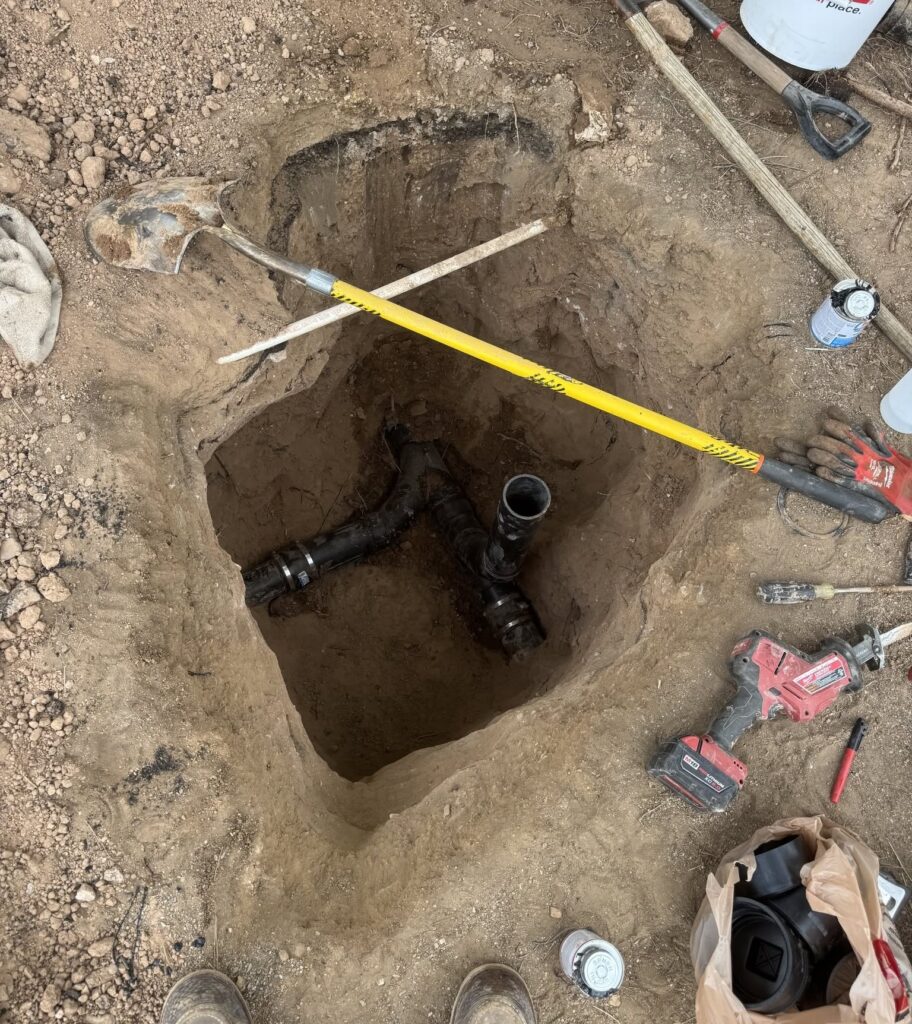
- Lines beneath floors or concrete slabs
- Underground service lines
- Toilet and faucet connections
- Water-heater fittings and tanks
- Dishwasher, washer, and refrigerator supply lines
- Garbage-disposal and sink connections
Benson property owners should watch for changes inside and outside the building. Damp soil, unusually green landscaping, water near the foundation, or a moving meter when fixtures are off may indicate an underground leak. Indoors, stains, odors, warm flooring, and recurring moisture deserve prompt investigation.
Why Is Early Leak Detection Important?
An undetected leak may damage drywall, flooring, cabinets, insulation, ceilings, and stored belongings. It can also contribute to mold or mildew, raise utility bills, reduce pressure, and make the repair more complicated.
Early detection cannot guarantee that no materials will need to be opened. However, finding the source sooner can limit the affected area and prevent repeated repairs that treat symptoms without fixing the plumbing problem.
Can You Check for a Hidden Water Leak Yourself?
Homeowners can take several safe first steps:
- Turn off all fixtures and appliances, then observe the meter.
- Review recent bills for unexplained increases.
- Look under sinks and around toilets, water heaters, and appliances.
- Check walls, ceilings, cabinets, and flooring for stains or swelling.
- Listen for running water when the system should be quiet.
- Inspect outdoor areas for wet spots or pooling water.
Avoid cutting into walls or removing flooring without knowing where the leak is located. Contact a plumber when the meter keeps moving, moisture returns, pressure drops, or the source cannot be identified.
Active flooding, burst pipes, ceiling sagging, or water near electrical equipment should be treated as urgent. Red Coyote Plumbing LLC provides 24/7 emergency plumbing service for serious plumbing problems.
Why Choose Red Coyote Plumbing LLC?
Red Coyote Plumbing LLC provides professional leak detection services and residential and commercial plumbing support in Benson and surrounding Southern Arizona communities.
The family-owned company is licensed, bonded, and insured, with more than 10 years of hands-on experience. Its services include leak detection, repairs, water heaters, drains, sewer lines, fixtures, remodeling support, and emergency plumbing.
Working with a local Benson plumber provides a direct point of contact and recommendations based on the plumbing system’s condition. Red Coyote Plumbing LLC emphasizes dependable service and practical solutions.
Frequently Asked Questions About Water Leak Detection
Can a Plumber Find a Leak Without Cutting Into a Wall?
Often, yes. Meter testing, pressure testing, moisture readings, acoustic equipment, and thermal imaging can narrow down the source. A targeted opening may still be needed to confirm the location and repair the pipe.
What Equipment Do Plumbers Use to Detect Water Leaks?
Plumbers may use pressure gauges, moisture meters, acoustic tools, thermal cameras, and inspection cameras. The best method depends on whether the leak is behind a wall, beneath a floor, under a slab, underground, or near a fixture.
How Long Does Professional Leak Detection Take?
Timing depends on property size, pipe layout, accessibility, and leak type. A visible fixture leak may be identified quickly, while an underground or under-slab leak can require more detailed testing.
How Much Does Leak Detection Cost in Benson, AZ?
Pricing depends on location, accessibility, diagnostic methods, and complexity. Requesting a property-specific assessment is more reliable than relying on a general online estimate.
Schedule Leak Detection in Benson, AZ
Suspect a leak behind a wall, beneath your floor, or along an underground water line? Contact Red Coyote Plumbing LLC for professional leak detection in Benson, AZ and a clear assessment of your plumbing problem.
- Phone: 520-686-3116
- Email: admin@redcoyoteplumbing.com
- Address: PO BOX 701, BENSON, AZ 85602
- Red Coyote Plumbing on Google Maps